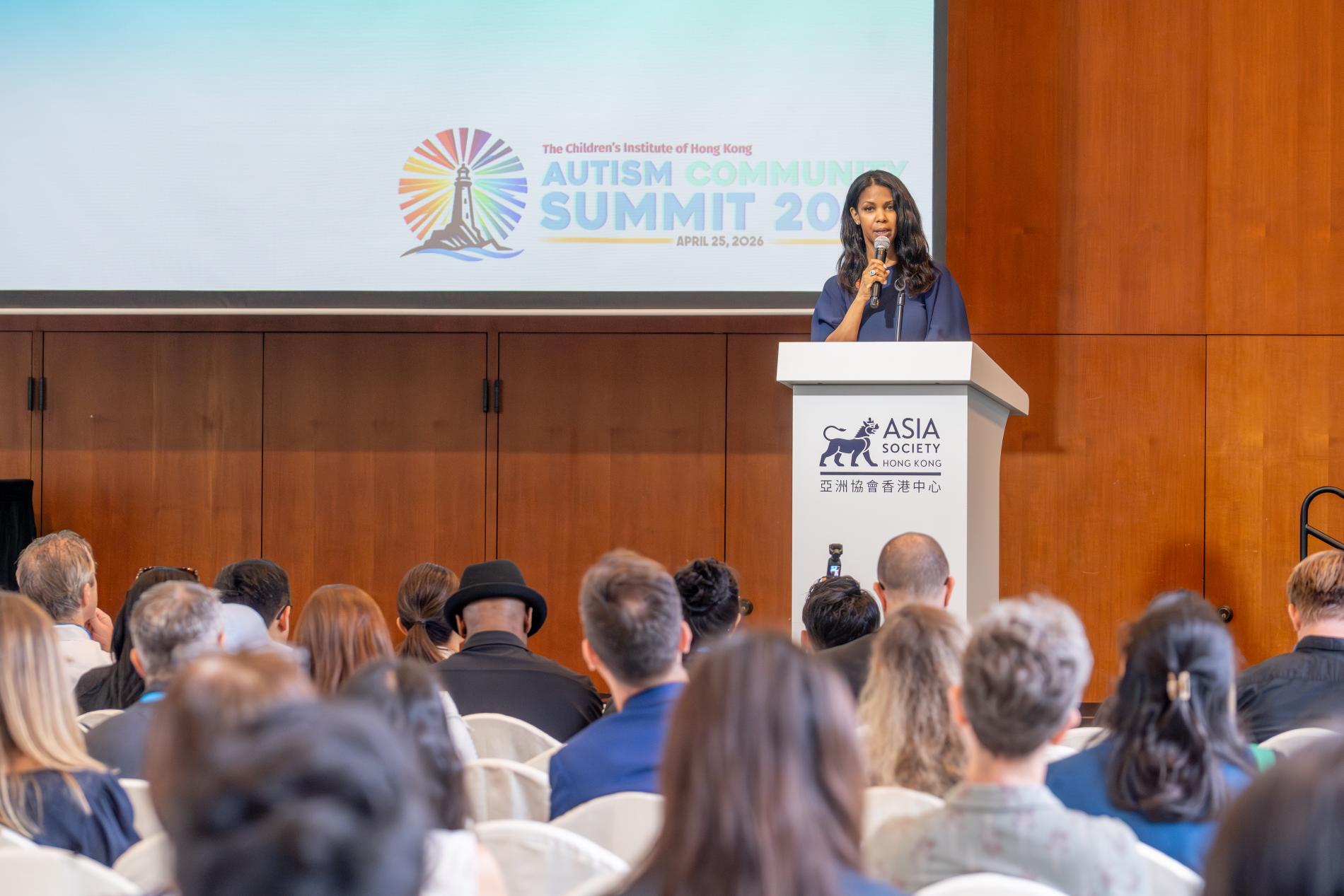
On April 25, 2026, over 250 attendees gathered at the Asia Society Hong Kong Center for The Children’s Institute’s Third Annual Autism Community Summit. The event delivered a powerful and urgent message: autism is not only a global challenge but also an opportunity for Hong Kong to lead with informed compassion.
Everyday Life
Supporting Families with Autism: Key Highlights from Autism Community Summit 2026
Highlights from ACS 2026 with stories, insights, and breakthroughs for families in Hong Kong and Asia.
Share this article
Supporting Children with Autism: The Right to Play, Learn, and Access Services
The Children's Institute’s Executive Director, Dr. Amber Perymon, framed the day’s sessions with a poignant reminder of fundamental rights—the right to play, the right to learn, and the right to equitable insurance access. “Different is not a barrier to success,” she emphasized, calling for more accessible and affordable services.
Reflecting meaningful progress, Janice Tsao of the Airport Authority Hong Kong announced a new Sensory Corner at HKIA, open daily from 5 a.m. to midnight.
Meanwhile, KC Cheung of Manulife highlighted the importance of understanding insurability for families of autistic children and expressed a willingness to engage in meaningful conversations to address their needs.
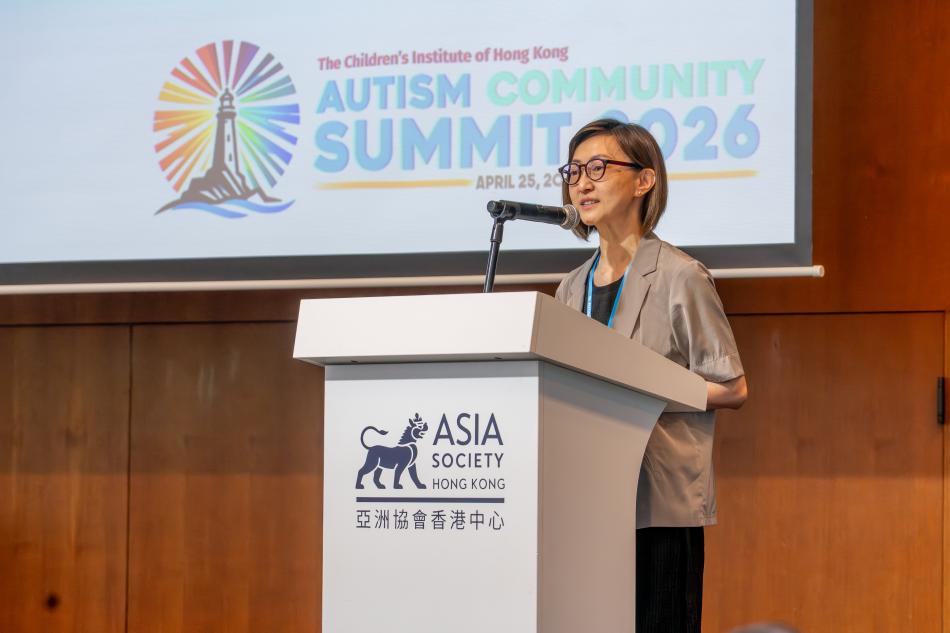
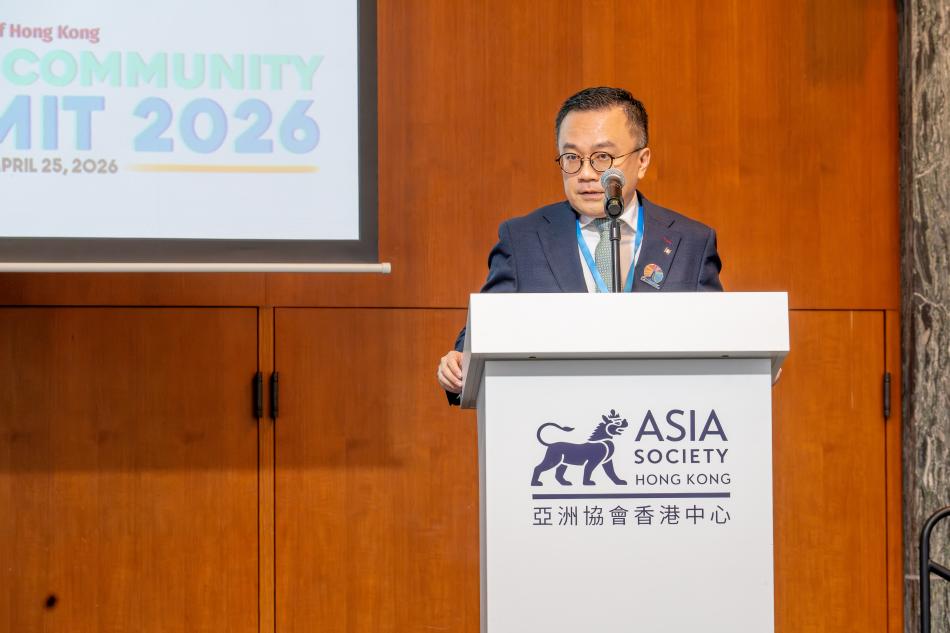
Janice Tsao from the Airport Authority Hong Kong and KC Cheung of Manulife HK showcased impactful initiatives, from launching a sensory room at HKIA to addressing insurability for autistic families.
Stories of Strength: Navigating Autism as Parents and Professionals
Keynote speaker Jonathan Scott-Lee, a neurodivergent HSBC banker, captivated the audience with an unflinching account of his life’s struggles. From poor grades in school to constant career rejections, his story was one of perseverance and hope. He highlighted the transformative power of finding the right environment, affirming, “Autism is a different kind of orientation to the world.” Jonathan also shared the deeply personal loss of his autistic daughter to suicide, urging the community to prioritize the mental health of individuals on the autism spectrum—not just to help them survive, but to help them thrive.
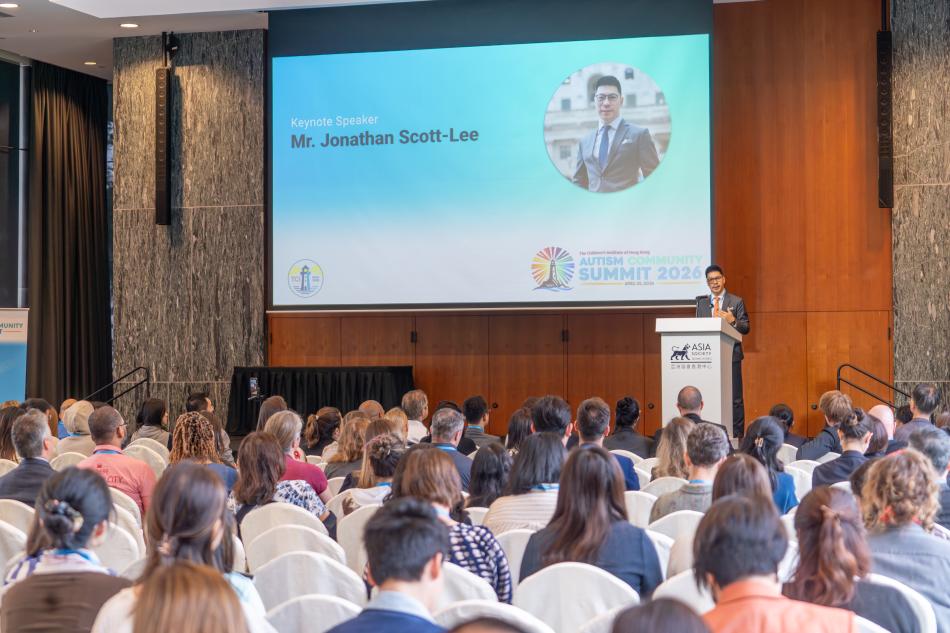
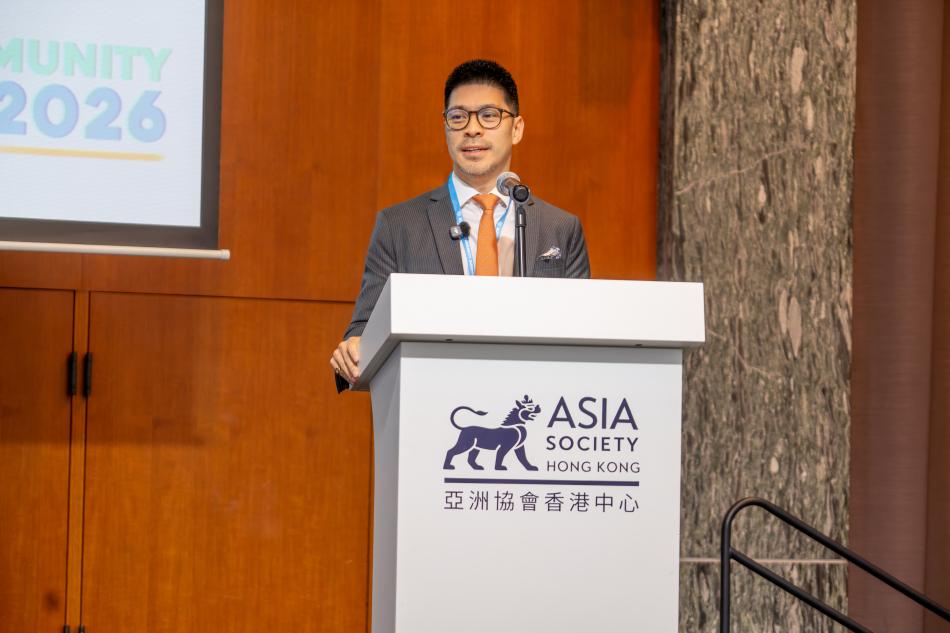
Keynote speaker Jonathan Scott-Lee shared an inspiring journey of perseverance, while powerfully advocating for the mental health and well-being of autistic individuals.
Autism Education: From Compliance to Connection
A panel on educating autistic learners encouraged educators and parents alike to shift their focus from compliance to connection. The discussion emphasized the importance of creating a support triangle between school, parents, and the child, fostering collaboration and trust.
Dr. Tim Trodd highlighted the prevalence of co-occurring conditions among autistic children, including ADHD, anxiety, gastrointestinal issues, and allergies. He underscored the value of a functional medicine approach, which addresses the holistic health of autistic individuals.
Counselor Reshma Chugh moderated a panel of three couples, who openly discussed the unique challenges of special needs parenting, including the emotional struggles such as asynchronous grieving. One parent shared a poignant reflection: “It’s not equal work, but it is equal sacrifice.”
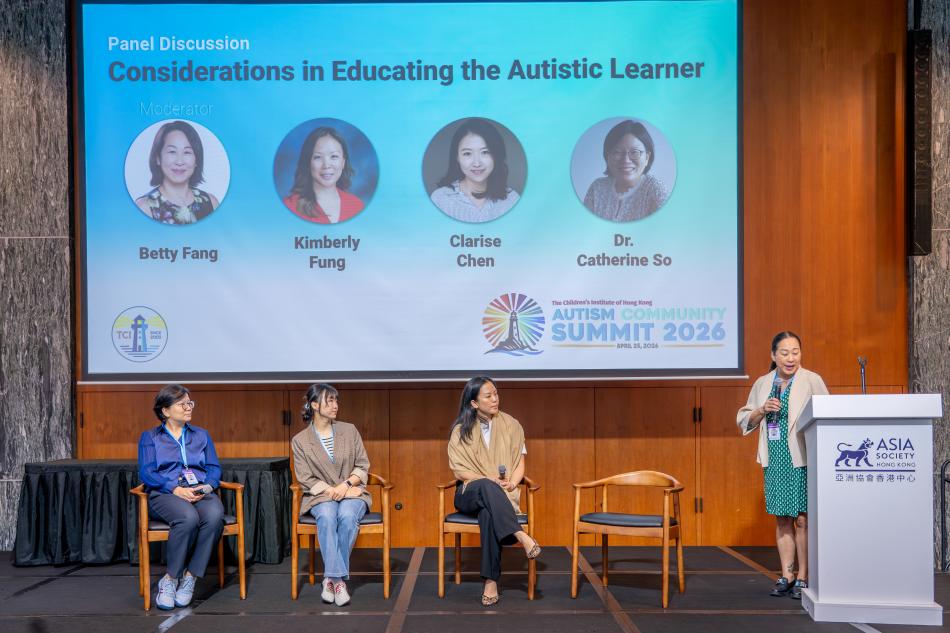
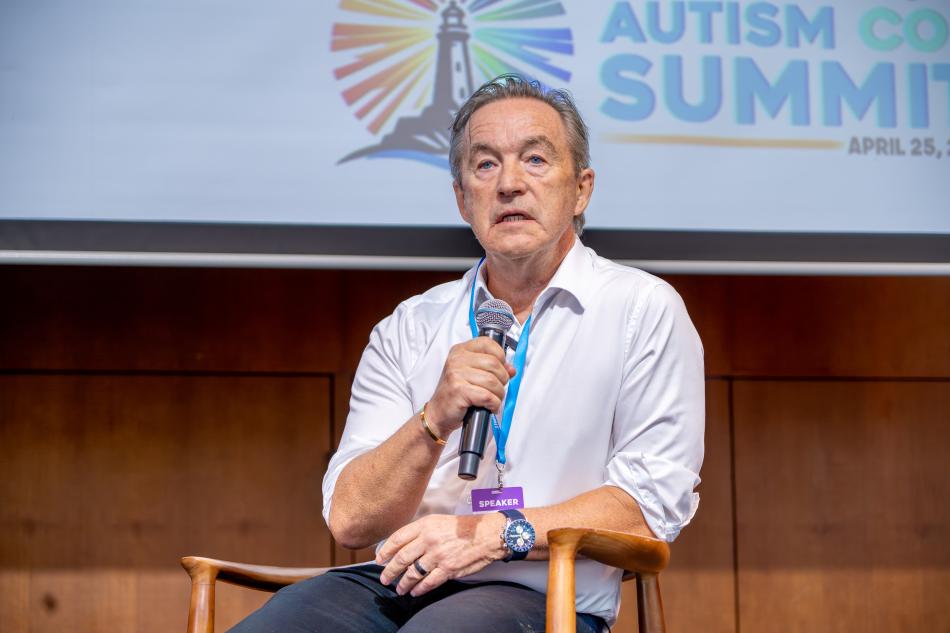
A panel on educating autistic learners emphasized the importance of connection over compliance, while Dr. Tim Trodd advocated for a holistic, functional medicine approach to address co-occurring conditions.
Holistic Approaches to Autism Health: Sleep, GI Issues, and More
During her session, Dr. Xiaowei Xu, a neurologist from Shenzhen, highlighted that up to 86% of autistic children experience sleep disorders. She offered actionable advice on assessing and addressing sleep issues, including cognitive-behavioral therapy to establish better routines, melatonin supplements to improve sleep onset and duration, and light therapy for advanced sleep-wake phase disorders. However, she urged careful medical guidance when treating sleep difficulties and co-occurring conditions such as epilepsy, citing the complexity of these overlapping issues.
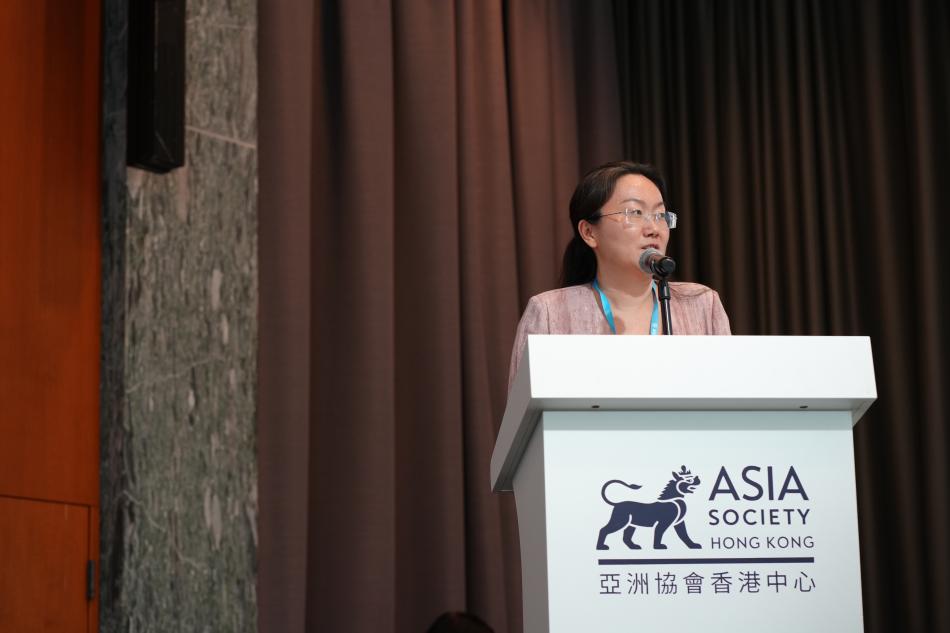
Dr. Xiaowei Xu highlighted that 86% of autistic children face sleep disorders, sharing strategies while stressing the need for careful medical guidance.
Redefining Play for Neurodivergent Children: A Path to Connection
Liezel Kemp and May Henderson of ESF’s Jockey Club Sarah Roe School presented a neurodiversity-affirming perspective on play. They argued that instead of defining play, we should diversify and embrace it. “Play doesn’t need to make sense to adults—only to the child,” they explained, emphasizing that authentic play fosters connection while reducing stigma. Deep interests, they added, can serve as powerful tools for building bridges across all ages.
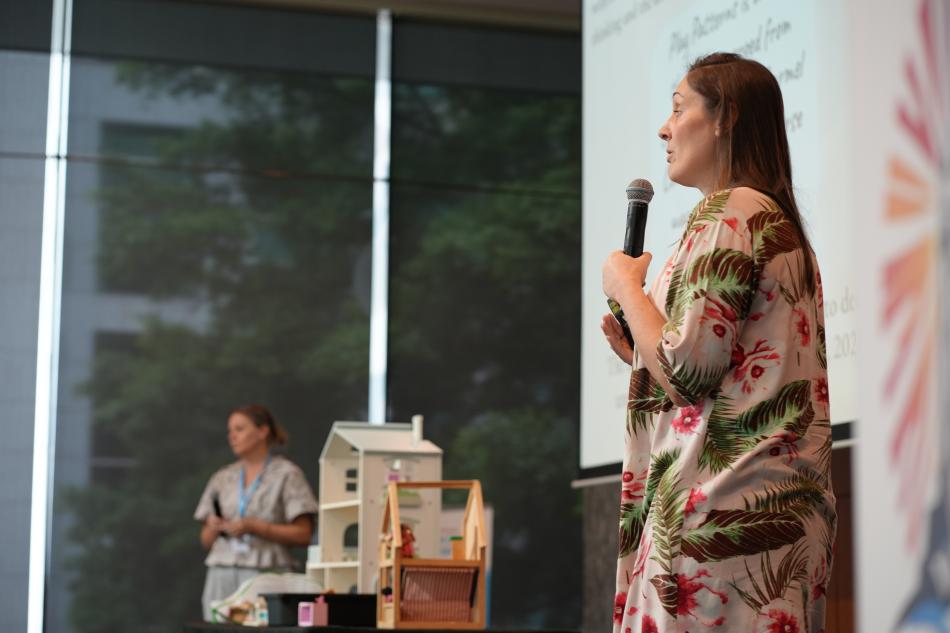
Liezel Kemp and May Henderson of ESF’s Jockey Club Sarah Roe School advocated embracing diverse forms of play, emphasizing its role in fostering connection and reducing stigma.
Mental Health and Family Dynamics: Supporting Siblings and Parents
The event closed with an emotional panel on the sibling perspective, moderated by Optism’s Carmen Li. Siblings shared their candid experiences growing up alongside neurodivergent brothers, reflecting on both the joys and burdens of their unique roles. One sibling spoke of her brother being in “a stage of perpetual adolescence,” expressing concerns about balancing support with the pressures of lifelong caregiving. Yet, the panel’s key message remained clear: unconditional love is the foundation, and no child should ever be seen as a burden.
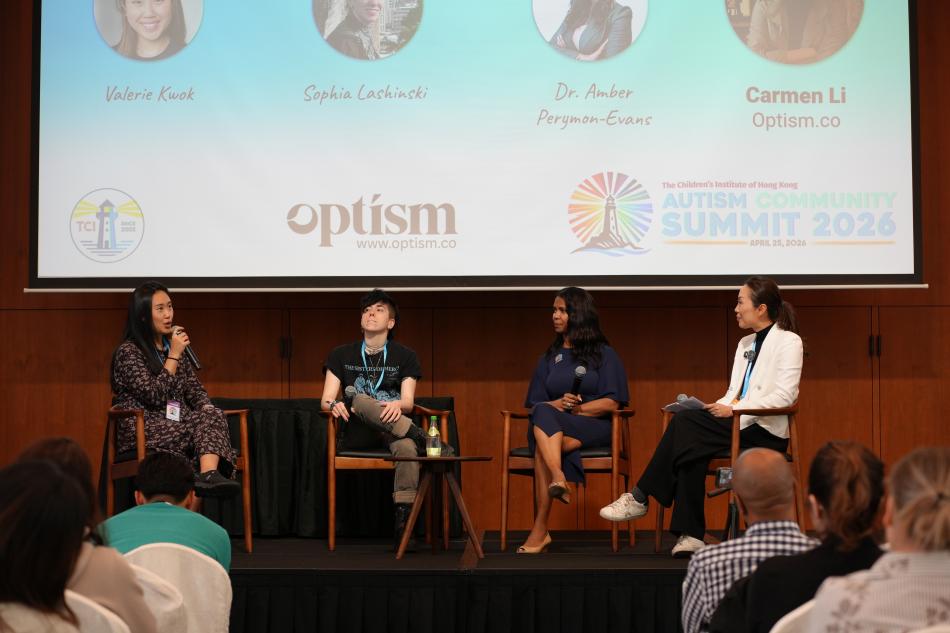
The event ended with a heartfelt sibling panel, moderated by Optism's Founder, Carmen Li, sharing the joys and challenges of supporting neurodivergent siblings.
Optism’s Role: Practical Solutions for Families with Autistic Children in Asia
As an official media partner of the Autism Community Summit, Optism played an active role, amplifying the event’s key messages and providing actionable resources to attendees. A recurring highlight of the day was the value of Optism’s Expert Hub, a user-friendly platform where parents can connect with vetted experts to address challenges and find solutions. By bridging the gap between families and professionals, Optism embodies its mission of empowering families navigating autism in Hong Kong and across Asia.
The clear takeaway from the summit is that belonging—not just inclusion—is the goal. With empowered families and a compassionate, connected community, the autism journey becomes one of thriving, not merely surviving.