How to Celebrate Chinese New Year with Children with Autism

Tips for calm, sensory-friendly Chinese New Year celebrations with crafts, quiet zones, and activities for autistic children.

CNY

Share this article

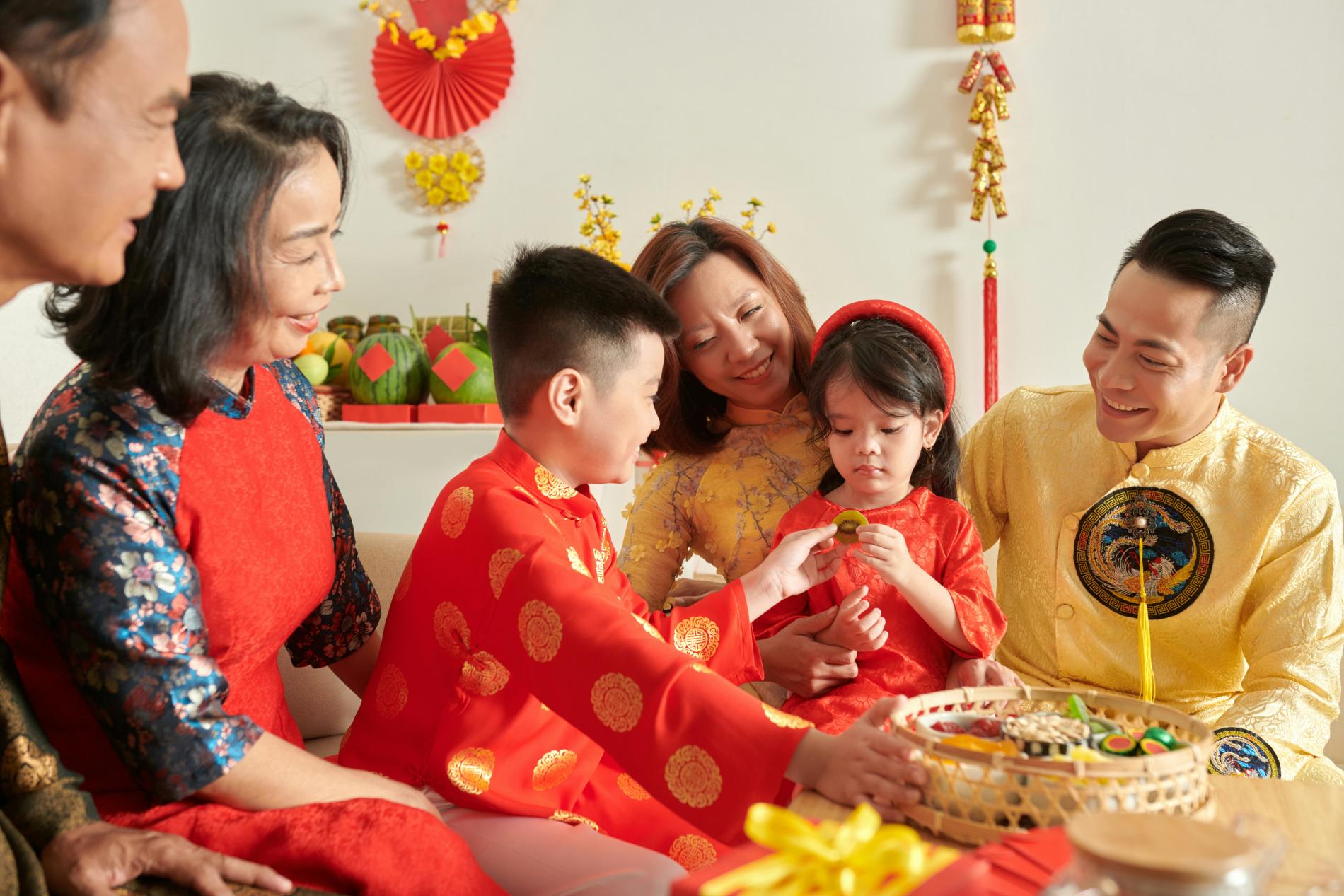
Chinese New Year is a vibrant celebration filled with the joy of family, delicious feasts, and lively traditions. For children on the autism spectrum, however, the season's hallmark sights, sounds, and crowds can quickly become overwhelming. The sudden pop of firecrackers, the bustling energy of family gatherings, and unexpected changes in routine can create significant anxiety and sensory distress.

This doesn’t mean your family must miss out on the magic. With thoughtful, sensory-friendly planning, you can adapt the festivities to create a calm, predictable, and joyful experience that honors tradition while respecting your child’s unique needs. This guide offers warm, practical ideas to help you build a celebration that feels safe and comfortable for everyone.

Sensory-Friendly Chinese New Year Activities for ASD Families

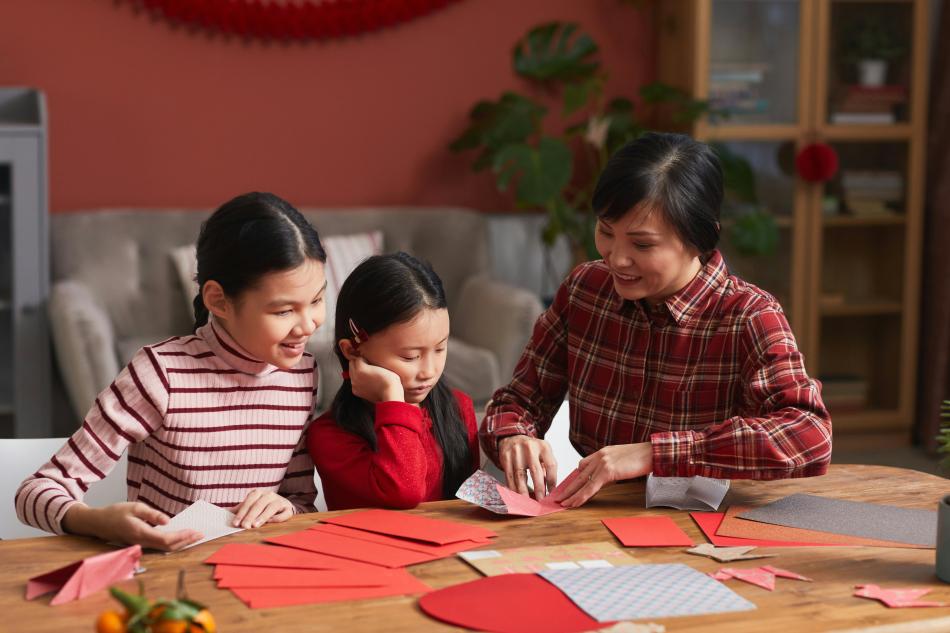
1. Red Envelope Decorating: A Calm and Sensory-Friendly Chinese New Year Activity

Traditional red envelopes (hóngbāo or lai see) are symbols of luck and good wishes. Transform this custom into a focused, low-pressure craft activity that allows for creative expression without the sensory overload of large, noisy group projects.

How to make it sensory-friendly:

  • Prepare a Quiet Workspace: Set up a designated, clutter-free table with all materials laid out (red envelopes/blank lai see, stickers, markers, etc.).
  • Offer Choices: Provide a variety of decorating tools to suit different sensory preferences—sticker sheets, washable markers, dot-painters, and non-shimmer glue sticks. Avoid strong-smelling glues or glitter, which can overwhelm.
  • Focus on the Process: The goal isn’t perfection, but engagement. Let your child explore textures and colors at their own pace. This activity builds fine motor skills and provides a tangible connection to the holiday in a controlled setting.

2. How to Create a Quiet Zone for Autistic Children During Chinese New Year

Amidst any celebrations—whether at home or visiting relatives—a designated "Quiet Zone" is essential. This pre-planned safe space allows your child to retreat to decompress, self-regulate, and enjoy low-sensory activities.

How to create your Quiet Zone:

  • Prepare in Advance: If visiting, talk to your host beforehand to identify a quiet bedroom or partitioned corner. Bring a familiar bag of comfort items.
  • Stock with Soothing Items: Include noise-canceling headphones, favorite fidget toys, weighted blankets or lap pads, comforting books, and a tablet with pre-loaded calming shows or music.
  • Use Visual Schedules: A simple picture schedule can show when it’s time for festivities, meals, and quiet time, helping reduce anxiety about the day’s flow. Empower your child to use the zone as needed.
CNY2
Traditional red envelopes symbolize luck and good wishes, offering a perfect opportunity for a calming, creative craft activity.

Sensory-Friendly CNY Outings in Hong Kong: Tips and Destinations

If your family is planning outings during Chinese New Year, careful preparation can make the experience enjoyable for everyone. Here’s a list of iconic Hong Kong destinations for the Year of the Horse, arranged in a logical order to balance sensory input:

1. Sensory-Friendly Visit to Wong Tai Sin Temple for Chinese New Year

  • Why it can work: This is the epicenter of traditional customs, such as making wishes with kau cim (fortune sticks), and offers a meaningful cultural experience.
  • Sensory Tip: Arrive early in the morning (7-8 AM) a few days before New Year’s Day to avoid crowds. The ritual can be observed from a distance, ensuring a calm and manageable experience.

2. Visiting Hong Kong's Flower Markets During Chinese New Year with Autistic Children

  • Why it can work: Vibrant colors and textures make this a beautiful sensory experience, and the tradition of buying peonies (for prosperity) and kumquat trees (for luck) is a central aspect of Chinese New Year.
  • Sensory Tip: Visit during off-peak morning hours on the first few days of the market. Avoid Lunar New Year’s Eve night when the crowds are at their peak. Stalls on the outskirts tend to be less crowded and easier to navigate.

3. A Sensory-Friendly CNY Trip to the Great Buddha and Po Lin Monastery

  • Why it can work: This open-air, spacious destination offers a tranquil alternative to busier city celebrations. The atmosphere is majestic and peaceful, especially in winter when the weather is cool and pleasant.
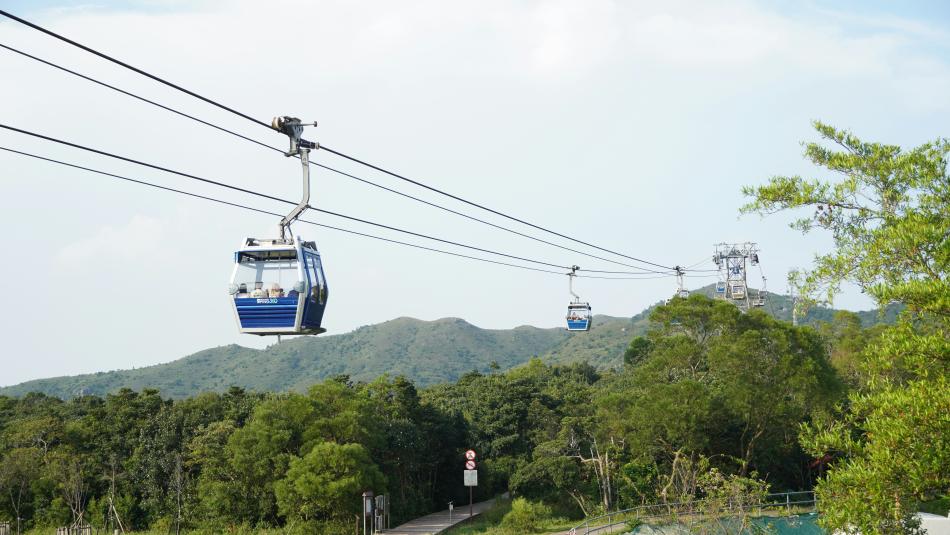
  • Sensory Tip: Take the Ngong Ping 360 cable car in a private crystal cabin to avoid crowded queues and enjoy the panoramic views in a controlled space. The platform around the Big Buddha allows for personal space and a slower pace for exploration.

4. How to Enjoy the Chinese New Year Night Parade with Autistic Children

  • Why it can work: The dazzling floats and costumes are a visually spectacular part of Hong Kong’s Chinese New Year festivities.
  • Sensory Tip: Avoid the crowded sidewalks. Instead, book a table at pre-paid seating areas along the route or watch from quieter spots, such as the steps of the Hong Kong Cultural Centre or Avenue of Stars. Bring noise-canceling headphones and have an exit plan ready. Alternatively, enjoy the parade from the comfort of your own home via live TV.
buddha
buddha cable
A sensory-friendly CNY trip to the Great Buddha offers a tranquil, open-air escape with private cable car rides and spacious surroundings for a calming experience.

Tips for Sensory-Friendly Chinese New Year Outings with Autistic Children

To make outings smoother and more enjoyable for your family, here are some general tips:

  • Use Visual Schedules: Create a simple picture story of the trip (e.g., "Taxi → See Flowers → Snack → Go Home").
  • Have an Exit Strategy: Always know where the nearest quiet exit or MTR station is located.
  • Celebrate Short Visits: A successful 20-minute outing is a huge victory. The goal is exposure, not endurance.

Creating a Meaningful and Sensory-Friendly Chinese New Year for Your Family

The heart of Chinese New Year is about hope, family, and welcoming a fresh start. By tuning into your child’s needs, preparing thoughtfully, and embracing flexible adaptations—whether at home or on a carefully chosen outing—you are not missing out. You are crafting a meaningful, inclusive tradition that allows your whole family to experience the season’s warmth and connection.

Your most important role is to be your child’s advocate and anchor. Trust your instincts, celebrate the small, joyful moments, and know that by creating a supportive environment, you are giving your child the beautiful gift of participating in their own way.

Here’s to a peaceful, happy, and sensory-friendly Lunar New Year of the Horse! Kung Hei Fat Choy!