From Autism to Gold: Woody Chan’s Special Olympics Triumph

Woody Chan, a figure skater with autism, won Special Olympics gold, showing how sports inspire families in Hong Kong and Asia.

woody

Share this article

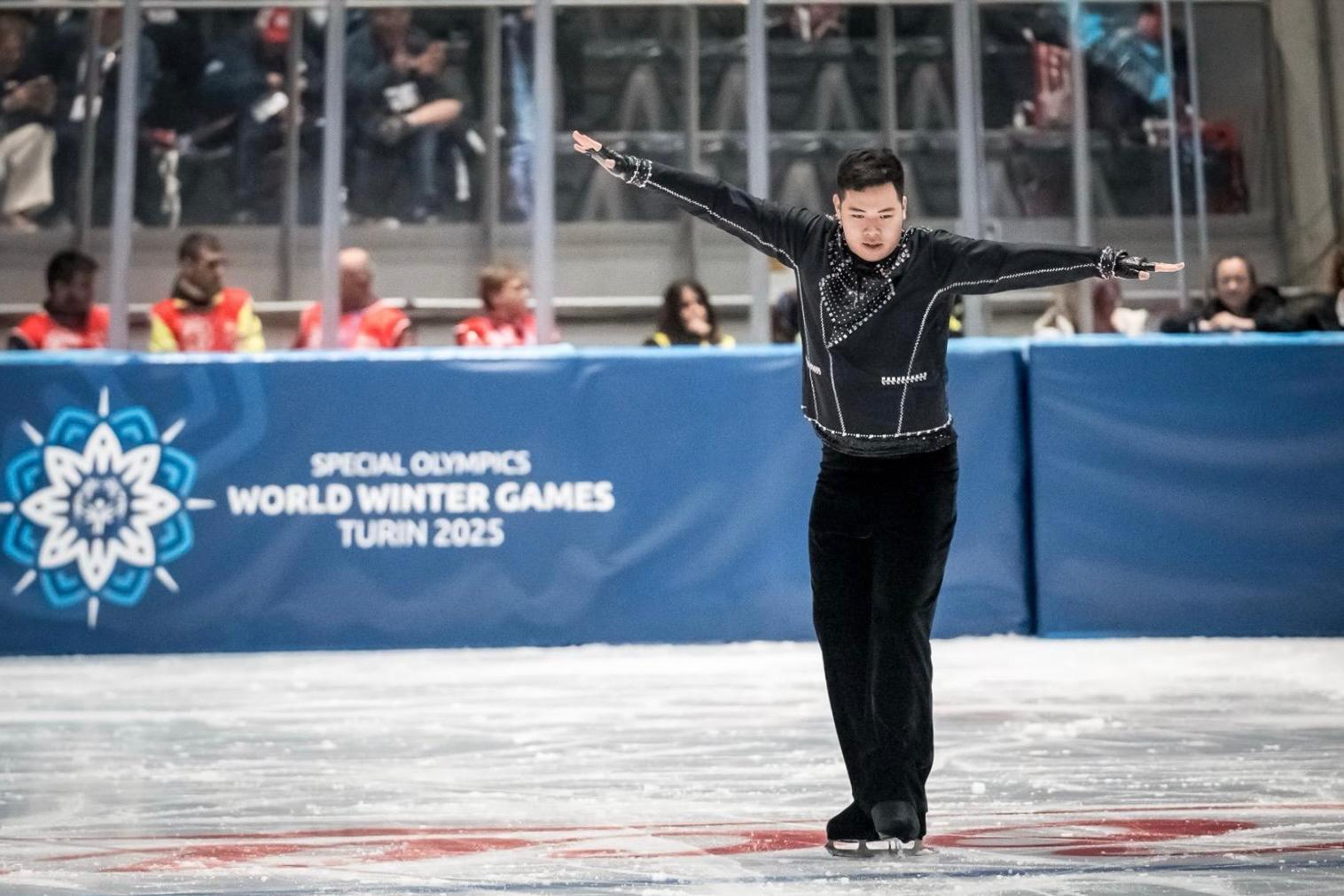
At 24, Woody Chan is playful yet often aloof. At times, he struggles to pick up social cues or engage in conversations—traits commonly associated with autism spectrum disorder (ASD). But the moment he steps onto the ice, Woody becomes a different person. Composed and confident, he glides with grace and quiet assurance, a faint smile on his lips.

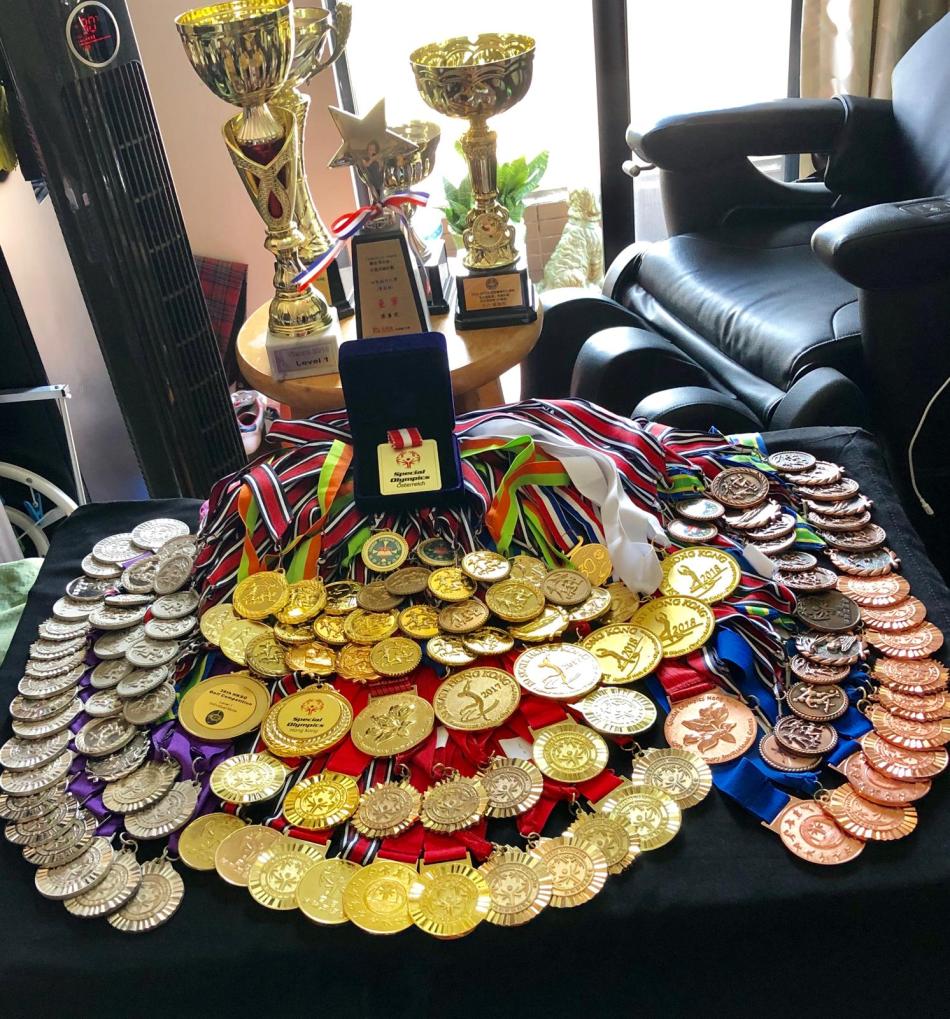
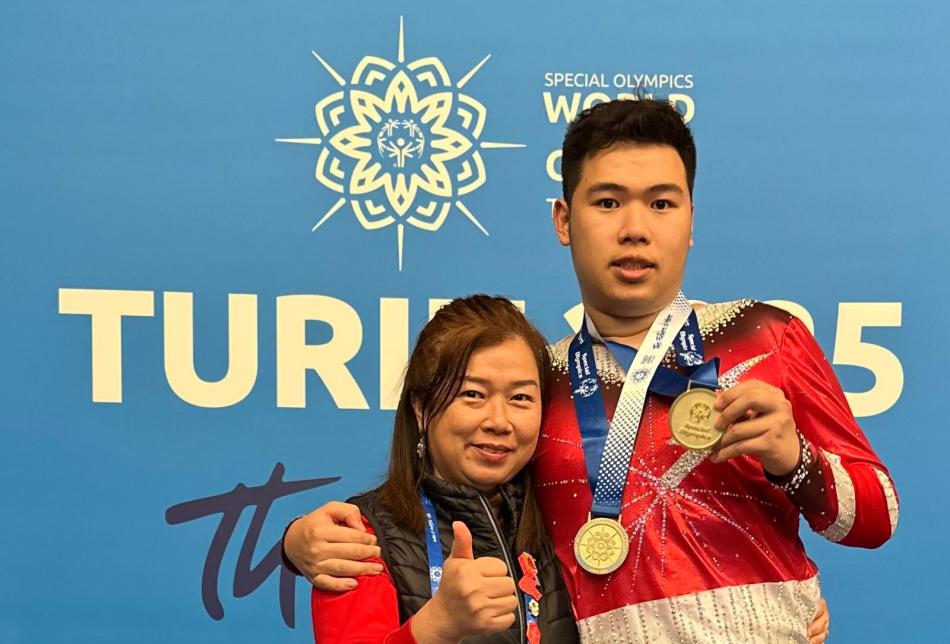
Just a few months ago, Woody represented Hong Kong at the 2025 Special Olympics World Winter Games in Turin, Italy, where he won two gold medals in figure skating. These victories add to a long list of accolades Woody has earned, starting with his first medals in track and field during Primary One.

A Natural Athlete: How Sports Helped Woody Chan Thrive with Autism

Woody is undoubtedly a natural athlete. Alongside figure skating, he enjoys playing golf, swimming, bowling, and horseback riding. However, his remarkable athletic journey began not because of his talent, but because of a deliberate decision made by his mother, May Lam.

“When he went to an SEN (special education needs) school, I saw that some of the older boys there hit puberty. They started making inappropriate gestures in public and having problematic behaviours. That caused all sorts of problems,” May recalls.

“I worried Woody might end up like that. So I signed him up for sports. The idea was to get him into something that used up a lot of his energy, so there’d be no space for any of those behaviours related to puberty.”

This decision proved to be life-changing. Woody never exhibited problematic behaviours during puberty, and his love for ice-skating only deepened. Today, Woody splits his time between working part-time at a sheltered workshop, training on the skating rink and playing golf.

Early Childhood Challenges: Autism Awareness in Hong Kong

Raising Woody has been a long and transformative journey for May. When he was three years old, he still couldn’t speak properly. At the time, autism awareness in Hong Kong was limited. Friends and elderly relatives reassured May that boys typically develop language skills later than girls. However, just one month into kindergarten, the school principal suggested having Woody assessed.

“He didn’t interact with other children and often seemed to live in his own world. That’s when reality hit us,” May explains.

“He often fixed his eyes on subtitles on TV, the running news ticker on the financial news channel or the ventilator. We simply thought he was a good boy when we should have figured something wasn’t quite right.”

Upon learning Woody was autistic, May was initially devastated. “When I found out Woody was autistic, I felt like falling off a cliff. But it took me just several weeks to get over it. I’m an optimistic person. If I stayed in the gloom, I wouldn’t be able to get much done. I decided to focus on educating myself and learning about autism.”

Why Ice-Skating? How a Mother’s Thoughtful Choice Changed Everything

Woody attended an SEN primary school after kindergarten. Although he still struggled with verbal communication, he began to show an exceptional talent for sports. At age six, he participated in a school track and field event, where he won his first gold and silver medals. From then on, Woody discovered the thrill of competition and developed a love for various sports.

May’s decision to introduce Woody to ice-skating was carefully thought out. “He loved spinning at home and he could do it nonstop. So I figured he might like ice-skating. Also, injuries from ice-skating are usually more visible, which mattered because he couldn’t express himself clearly. I didn’t sign him up for activities like gymnastics, as I wouldn’t be able to tell if he had an internal injury,” May explains.

At age nine, Woody had his first ice-skating lesson. That same year, he began speaking in basic sentences. He immediately fell in love with the sport and proved himself to be a natural skater.

Competing on the World Stage: Special Olympics and Autism Success

In 2018, Woody was selected as part of a small group of special needs athletes from Hong Kong to compete in a figure skating competition in Vienna, Austria. Although the coach admired Woody’s skating ability, his unserious attitude off the rink initially raised doubts. May recalls:
 

Before the trip, the coach reminded Woody this was an important challenge and hoped he could stay focused. I was a bit worried, but he won first place, and that moment was exhilarating!

Since then, Woody has competed internationally multiple times, culminating in his gold medal wins at the 2025 Special Olympics World Winter Games.

The Transformative Power of Sports for Children with Autism

For Woody’s parents, the most important outcome of sports isn’t the medals, but how it has transformed their son. “The change came fast and has been obvious. Since he started doing sports, he’s become more capable of following instructions, more communicative, calmer and less bad-tempered,” May says.

However, May observes that the benefits of sports for children with autism are not widely recognised in Hong Kong. As the former chairperson of the parents’ association at Woody’s secondary school, she has seen many missed opportunities.

“Sometimes it’s about financial resources—the parents are busy working and can’t afford to accompany their kids to training. Sometimes the parents simply prefer the easy way out. They reckon their kids will end up in a sheltered workshop anyway, so why bother?”

woody
woody
woody
Woody is making remarkable strides in figure skating, all thanks to the unrelenting love and support of his incredible mother, May.

Finding Meaningful Activities for Children on the Autism Spectrum

May stresses that while sports worked wonders for Woody, the key is to help autistic children find meaningful activities they enjoy. “What truly counts is finding something they love—and for parents to have unwavering patience along the way. It’s tough work, but you just have to persevere. It’s rewarding to see them make progress,” she says.

Inspiring Families Across Asia: Lessons from Woody Chan’s Story

Woody Chan’s story is a shining example of how children with autism can thrive when given the right opportunities and support. In Hong Kong and across Asia, where autism awareness is still growing, his story serves as a powerful inspiration.