Oral Health Challenges for Children with Autism

Learn how to manage oral health challenges in children with autism. Expert advice from Dr. Phoebe Lam on hygiene routines, diet, and preparing for dentist visits.

Dental

Share this article

Phoebe Lam

Biography:

Professor Phoebe Lam is a Clinical Assistant Professor in Paediatric Dentistry at the University of Hong Kong and a registered specialist in Paediatric Dentistry. She is a Fellow of the Hong Kong Academy of Medicine and the College of Dental Surgeons of Hong Kong. Her research focuses on caries prevention and dental care for individuals with special needs. Professor Lam has co-designed and organized dental outreach campaigns in Hong Kong and developing countries to promote better oral health for children.

What are the most common oral health challenges in children with ASD?

Children with ASD often experience heightened sensitivity or oral defensiveness, meaning they may be very sensitive to touch around their mouth. This sensitivity can make it challenging for parents or dentists to perform routine tasks such as brushing teeth or maintaining oral hygiene. As a result, oral care can become particularly difficult, leaving children at risk for conditions like cavities and gum disease.

How can parents address oral hygiene struggles at home?

Helping children with autism establish good oral hygiene habits early in life is essential. Many children with ASD thrive on routines, so incorporating oral care as a consistent part of their daily schedule can help them accept it more willingly.

For children with heightened sensitivity around their mouth, gradual desensitization techniques can be helpful. This involves introducing touch or tactile stimuli around the oral area in small steps, reducing sensitivity over time. Working with an occupational therapist can also provide valuable guidance to make oral care easier.

Parents may find tools like 3-sided toothbrushes or electric toothbrushes useful during supervised toothbrushing. However, because every child with autism is unique, these tools may work well for some but not for others. Experimenting with different approaches is key to finding what suits the child best. 

Toothpaste selection is another important factor:

Many children with ASD have strong preferences when it comes to flavors. Parents should consider no-flavor or non-mint options, such as strawberry-flavored toothpaste, to make the routine more acceptable.

How does diet impact oral health in children with ASD?

Diet plays a significant role in oral health. Autistic children are often selective eaters, sometimes preferring only one type of food. If that food is sugary or sticky, it can increase the risk of cavities. Parents are encouraged to introduce healthier foods early on to help children develop better eating habits.

It’s also common for parents to reward their children with sweets for good behavior. Instead, non-food rewards—such as stickers, small toys, or stationery—can encourage positive behavior without negatively impacting oral health.

Are there specific oral health conditions parents should watch for in children with ASD?

Dental cavities, or caries, are among the most common oral health issues in children with ASD. These can often be prevented by encouraging proper toothbrushing with fluoride toothpaste, maintaining a healthy diet, and ensuring children brush their teeth twice a day under supervision.

Gum inflammation and periodontal diseases can also affect adolescents. The best prevention is to establish good oral hygiene habits early, including brushing and flossing regularly, which will help keep gums healthy as children grow.

What options are available for children who cannot tolerate in-office treatment?

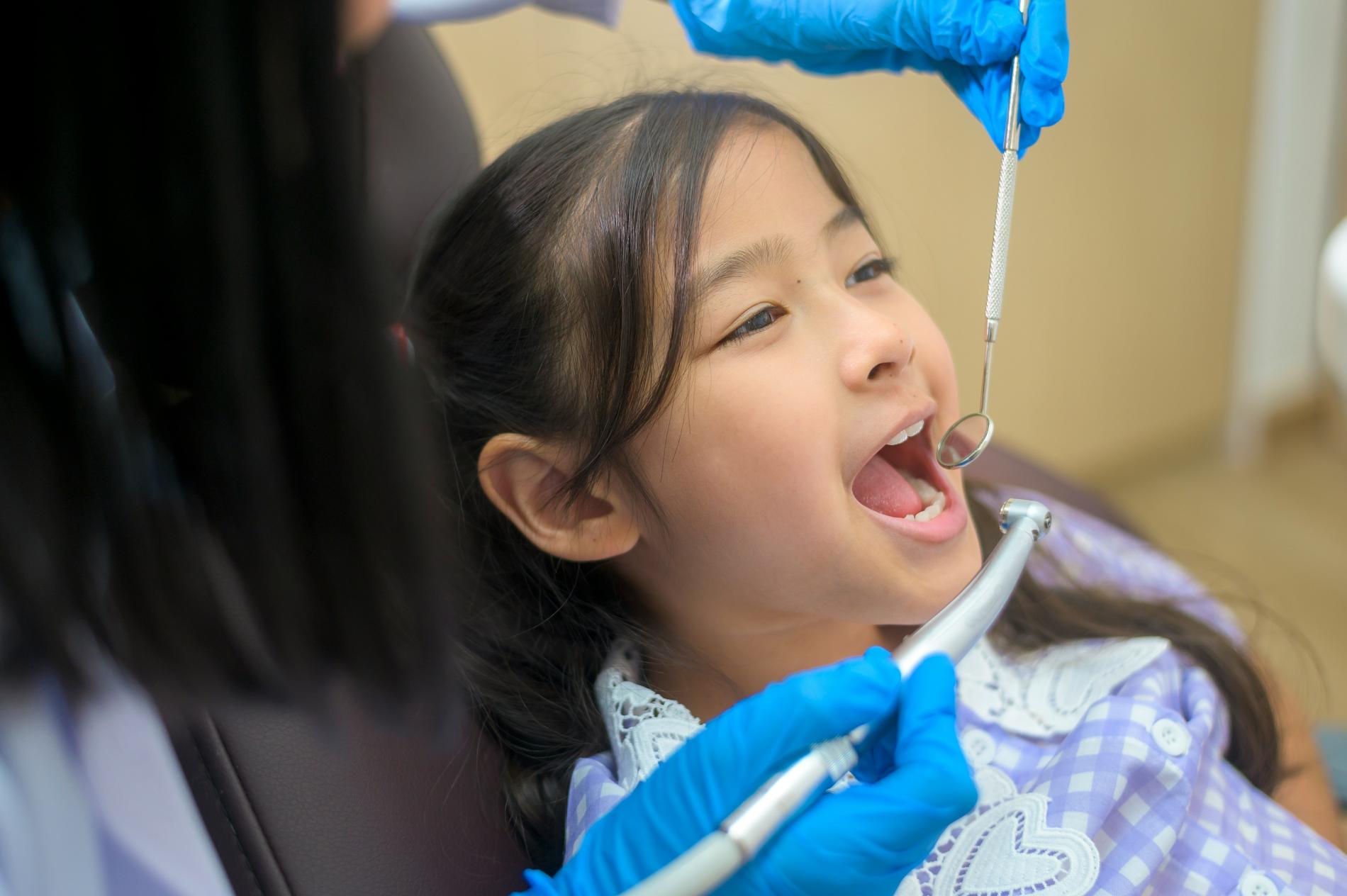
For children who struggle with in-office treatments, prevention becomes even more crucial. Maintaining good oral hygiene at home and healthy dietary habits can reduce the need for invasive procedures. Gradual exposure to dental settings through pre-treatment visits can also help children become more comfortable over time.

When treatment is necessary, sedation may be considered. General anesthesia or monitored anesthesia care is commonly used for children who cannot tolerate operative procedures. These methods ensure the child is completely unaware of the treatment process. For less severe cases, nitrous oxide sedation may be an option, though it may not be effective for highly sensitive children.

dental
Establishing consistent oral hygiene routines can help children with autism maintain healthy teeth and gums.

How do you recommend families prepare their child with autism for a dentist appointment?

Preparation is key to creating a positive dental experience. Social stories—visual cue sequences that break down treatments into manageable steps—can help children understand and accept dental procedures.

Pre-treatment visits and practice sessions are also highly effective in familiarizing children with the dental environment. However, it’s important to note that this process takes time and requires repeated practice. Parents should be patient and allow their child to gradually learn and become comfortable with dental appointments.

Helping Families in Hong Kong and Asia Navigate Oral Health Challenges

At Optism, we are committed to supporting families of children with autism by providing expert resources and guidance. If you have further questions about oral health for children with autism, visit Expert Hub for more expert answers.